
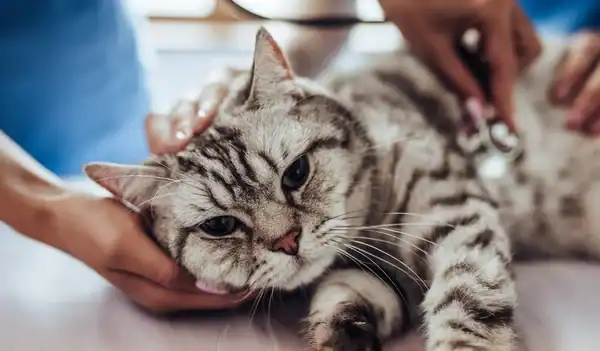
Fear-Free Vet Visits: How to Prepare Your Pet Before the Appointment
“It’s time to go to the doctor! There’s going to be lots of prodding and even needle pokes! Yay!”…says no one ever! No one really wants to have to endure a doctor’s visit, and we understand for many pets, a trip to the veterinarian can be stressful. For some, that stress begins before they even arrive at the hospital. The sight of the carrier coming out of the closet, getting into the car, unfamiliar smells, new people, other animals, and the anticipation of an examination can all contribute to fear and anxiety.
The good news? There are several things you can do at home to help make your pet’s veterinary visit a more positive experience.
At our hospital, we believe that reducing fear, anxiety, and stress is an important part of providing quality veterinary care. Fear-free veterinary visits aren’t just about what happens inside the exam room—it starts long before your pet arrives.
Read on for ways you can help prepare your pet for a calmer, more comfortable visit.
Help Your Dog Feel Comfortable With Car Rides
For some dogs, anxiety begins the moment they get into the car. If your dog only rides in the car when they’re going to the veterinarian, they may quickly begin associating car rides with something stressful. Whenever possible, try taking your dog on short, positive car rides that don’t always end at the veterinary hospital. A quick trip around the neighborhood, a visit to a park, or another enjoyable destination can help your dog learn that getting into the car doesn’t always mean an exam or procedure is coming.
If your dog gets nervous in the car, start slowly. Make the experience as positive as possible. Try leading them in with treats to allow them to jump in themselves, or if they are too small then feed them treats as you are putting them in and getting them settled. Even sitting in the parked car for a few minutes while offering treats and praise can be a good first step.
Make the Cat Carrier a Comfortable Place
I think we can all agree that cats are not dumb! Many cats know exactly what it means when the carrier suddenly appears- a trip to the vet! If the carrier only comes out when it’s time for a veterinary visit, your cat may begin hiding the moment they see it.
Instead, try leaving the carrier out in a familiar area of your home. Place a comfortable blanket inside and occasionally add treats, toys, or even your cat’s favorite snack. Consider spraying pheromone sprays inside the carrier periodically and especially before a veterinary visit. We like the brand Feliway, this comes in wipes, sprays, and even plug-ins for your home. The goal is to help your cat see the carrier as a normal, safe place—not something that only appears before a stressful event. If possible, start this process well before your next appointment. Building a positive association takes time, but it can make a big difference on appointment day and one step closer to a fear free visit.
Practice Gentle Handling at Home
During a veterinary visit, your pet may need to have their ears examined, teeth checked, paws touched, or other parts of their body gently handled. These areas are sensitive for pets and if they are not used to being touched there it can cause alarm.
You can help prepare your pet by practicing these types of interactions at home.
Start slowly and keep the experience positive. Gently touch your pet’s paws, look at their ears, lift their lips to briefly examine their mouth, and reward calm behavior with praise or a favorite treat. The goal isn’t to force your pet to tolerate handling. Instead, you want to gradually help them become more comfortable with being touched in different areas. Short, positive sessions are usually much more effective than trying to do too much at once.
Bring Something Your Pet Loves
High-value treats can be incredibly helpful during a veterinary visit. We offer a selection of dry treats, peanut butter, cheese, and liquid cat squeeze-ups but if your pet is picky or has specific dietary requirements, bringing their favorite treat from home is very helpful. For some pets, a favorite toy or comfort item may also help them feel more relaxed.
Food helps us create positive associations with the veterinary experience and is extremely important to help create fear free visit. Try to bring your pet in a little hungry so that they are eager to eat treats when offered.
If you’re unsure what to bring, give us a call before your visit.
Learn to Recognize Signs of Anxiety
Pets don’t always communicate stress in obvious ways. Some pets may tremble, hide, or try to escape. Others may become very still or unusually quiet. Signs of fear or anxiety can also include:
- Panting when your pet isn’t hot
- Excessive licking of the lips
- Flattened ears
- A tucked tail
- Avoiding eye contact
- Refusing treats
- Trying to hide or move away
- Growling, hissing, or snapping
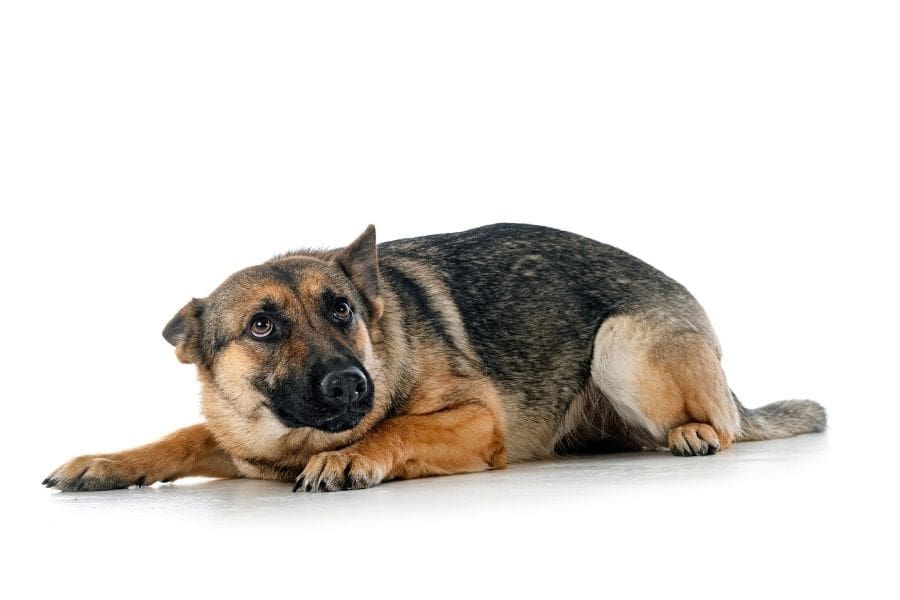
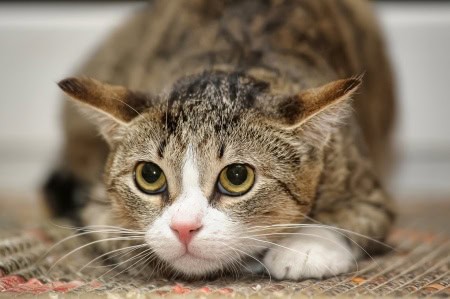
These behaviors aren’t signs that your pet is being “bad.” They’re often your pet’s way of telling us that they’re uncomfortable or afraid. The earlier we recognize these signs, the easier it can be to adjust the situation before your pet becomes increasingly stressed.
Tell Us If Your Pet Is Nervous
One of the most helpful things you can do is let us know ahead of time if your pet has a history of anxiety at the veterinarian. Maybe your dog becomes nervous around other dogs. Perhaps your cat becomes extremely stressed during car rides. Maybe your pet has had a difficult veterinary experience in the past. The more information we have before your appointment, the better we can prepare. Depending on your pet’s needs, we may be able to make adjustments to help create a more comfortable experience. This could include planning extra time, discussing strategies before the appointment, or making other accommodations when possible.
Don’t worry about being embarrassed by your pet’s behavior. Our goal isn’t to judge your pet—we want to understand what makes them uncomfortable so we can help.
When Medication May Help
For some pets, treats, gentle handling, and preparation may not be enough to overcome significant anxiety. In these cases, we may recommend medication to help reduce fear and anxiety before the visit.
Pre-visit medication isn’t about making your pet “sleepy” or forcing them through an appointment. When appropriate, it can be an important tool that helps an anxious pet feel calmer and makes veterinary care safer and less stressful. When pets have a negative encounter, they remember that vividly making the next visit even more stressful. By breaking this cycle with pre-visit anti-anxiety medications, we can try to change negative associations into positive ones.
If your pet becomes extremely anxious during veterinary visits, talk with us or your veterinarian before your next appointment. Together, you can discuss whether additional support may be helpful.
A Better Visit Starts Before You Arrive
Every pet is different. Some pets walk into the veterinary hospital ready to make new friends, while others need a little more time and support. Preparing ahead of time can help reduce stress and create a more positive experience for both you and your pet. Small changes—like making the carrier a familiar place, practicing gentle handling, bringing favorite treats, and communicating with your veterinary team—can make a meaningful difference.
Fear-free veterinary care is a team effort, and pet owners play an important role in helping their pets feel safe and comfortable.
Read more about what goes into developing a Fear Free practice and find other helpful resources at https://www.fearfree.com/
Lindsay Baker, DVM